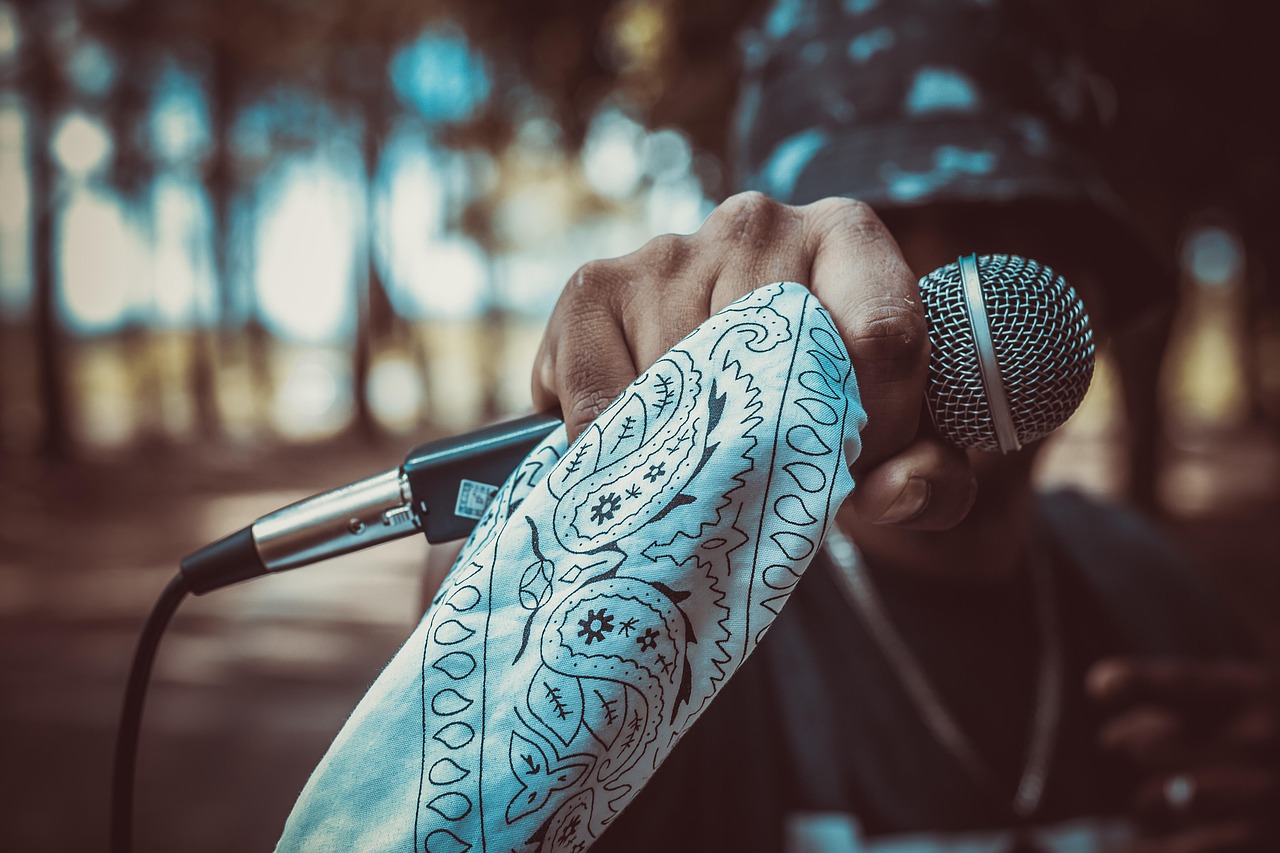
Once upon a time, rock music wasn’t just a genre – it was a cultural force. Stadium-shaking guitars, anthemic choruses, and the rebellious spirit defined generations. But in today’s music landscape, it’s hip hop that has assumed that mantle. While rock may still sell in catalogs and on vinyl, hip hop dominates streaming, concert stages, and youth culture in a way that mirrors rock’s heyday and perhaps even surpassing it.
Streaming Has Crowned Hip Hop
To understand hip hop’s new throne, look no further than today’s most important currency in music: streaming. According to Luminate data reported by Statista, R&B/hip-hop captured 28.7% of U.S. audio streaming and 28% of video streaming in 2022. Statista+1 By contrast, rock, despite its legacy, lags behind in streaming — its strength today lies largely in physical album sales, not in dominating the playlists of young listeners. Statista
This shift matters because streaming isn’t just how people consume music — it’s how trends grow, how superstars are born, and how culture spreads.
Consumption Is More Than Nostalgia — It’s Now
If rock is the past, hip hop is very much the present. In earlier years, institutions like Nielsen Music certified the shift: for the first time, hip-hop/R&B overtook rock in total consumption when streaming and other formats were counted. Nielsen BuzzAngle’s report from 2018 echoed that: in song consumption, hip hop grew faster than rock, and its total album-equivalent share overtook rock’s. Digital Music News
The implication is clear: rock, once primarily consumed via physical media, is now being outstripped by hip hop in the dominant mode of music consumption — streaming — especially among younger listeners.
Economic Power: Hip Hop Isn’t Just Dominating Streams, It’s Generating Billions
Beyond streams, hip hop is a massive business. According to recent hip hop market statistics, the global hip hop music market was valued at about $22 billion in 2022. ZipDo That’s not a niche cultural movement — that’s an industry powerhouse.
Live music tells a similar story: in 2023, ZipDo reports that over 27 million people in the U.S. attended hip hop concerts, making it one of the most attended genres. ZipDo Meanwhile, hip hop fashion — once simply streetwear — has become a multibillion-dollar line, merging music and commerce in a way rock never quite did.
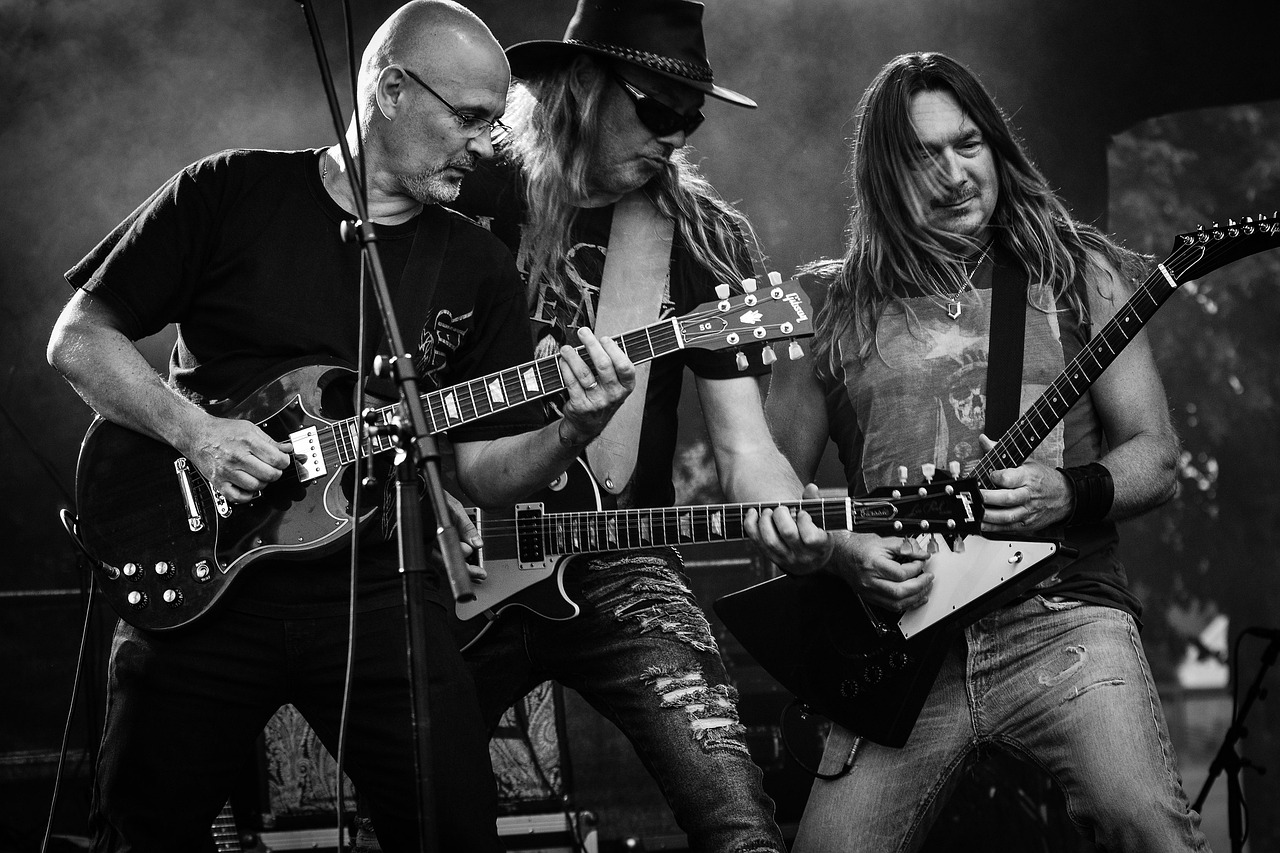
Rock Isn’t Dead — but It’s Aging
It’s worth acknowledging that rock still has a strong presence in album sales. For example, rock continues to claim a large portion of physical album sales — 45.4% in one Luminate year-end report, per Statista. Statista But much of this is catalog — music from decades past — rather than new rock that’s breaking cultural ground.
As one commentator put it, contemporary rock is “clinging to its storied past” while hip hop “thrives on new voices and innovation.” Djrobblog.com In other words, rock’s dominance today is retrospective; hip hop’s dominance is forward-looking.
Cultural Influence Beyond Music
Rock may never completely fade and while its legacy is cemented, hip hop isn’t just inheriting the crown. It’s building a new kingdom.
Just as rock once defined youth rebellion and counterculture, hip hop today shapes fashion, language, and identity. The genre’s reach into fashion (with multibillion-dollar sales), social media, and even advertising underlines its central role in modern culture.
Moreover, hip hop’s business model is deeply integrated with digital platforms, influencing how artists are discovered and how they connect with fans. It’s not just a musical genre; it’s a cultural ecosystem.
The New Giant of Music
To call hip hop “the new rock” isn’t just a cute metaphor — by many measures, it’s accurate. Hip hop leads in the formats that matter today. It dominates youth consumption, drives huge economic value, and shapes culture far beyond the music itself.
Rock may never completely fade and while its legacy is cemented, hip hop isn’t just inheriting the crown. It’s building a new kingdom.
